
Childhood Depression
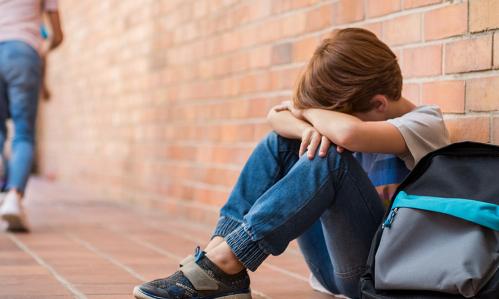
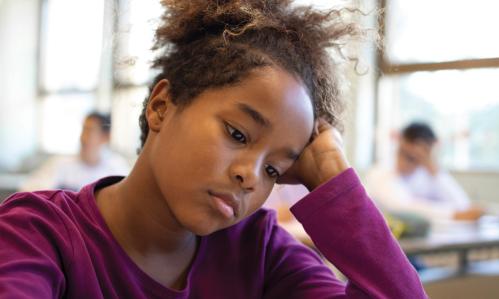
Depression affects a young person's thoughts, feelings, behavior, and body.
Major depression in children and adolescents is serious; it is more than "the
blues." When feelings of sadness persist in a child's life and begin to
interfere with his or her ability to function, one must consider clinical
depression to be the cause.
Depression is not something children can "snap out of." It is a serious
mental health problem that affects about 10 percent of children and adolescents
in the general population. In fact, depression affects as many as one in every
33 children and one in eight adolescents.
Causes
No one thing causes depression, however having a family history of
depression, particularly a parent who had depression at an early age, increases
the chances that a child or adolescent may develop depression. Family history,
stressful life events such as losing a parent, divorce, or discrimination, and
other physical or psychological problems, are all factors that contribute to the
onset of the disorder.
Symptoms
Children and adolescents who struggle with depression often exhibit a
combination of symptoms. Depressed children are sad, they lose interest in
activities they used to like, and they criticize themselves and feel others
criticize them. They feel unloved, pessimistic, or even hopeless about the
future; they think that life is not worth living, and thoughts of suicide may be
present. Depressed children and adolescents are often irritable, which may lead
to aggressive behavior. They are indecisive, have problems concentrating, and
may lack energy or motivation; they may neglect their appearance and hygiene;
and their normal sleep patterns are disturbed.
Treatments
Depression is treatable and a comprehensive treatment often includes both
individual and family therapy. Treatment may also include the use of
antidepressant medication, the use of which needs to be monitored carefully.
Medication as a first-line course of treatment should be considered for children
and adolescents with severe symptoms that would prevent effective psychotherapy
or those with chronic or recurrent episodes. Optimally, this plan is developed
with the family and medical providers. Whenever possible, the child or
adolescent should be involved in decisions. This "system of care" is designed to
improve the child's ability to function in all areas of life—at home, at school,
and in the community.
If you think your child may be experiencing symptoms of depression, trained
medical help should be sought immediately. Families can turn to child
psychiatrists and psychologists and developmental/behavioral pediatricians.
These individuals are those who are most often trained in childhood depression
or in the diagnosis of other childhood mental disorders.
Overview
Though only recognized by the medical community 20 years ago, major depression in children and adolescents is serious; it is more than "the blues." When feelings of sadness persist in a child’s life and begin to interfere with functioning in daily life activities, clinical depression may be the cause. It is important to seek medical assistance if a child is exhibiting signs or symptoms of depression, as early diagnosis and treatment are essential for depressed children and adolescents.
Who Gets It
Anywhere from 5 percent to 10 percent of children and adolescents in the general population suffer from depression at any given point in time. Depression is believed to be genetic and tends to run in families. Children under stress, who experience loss, or who have attention or learning disorders are at a higher risk for depression. Research has shown that a pre-existing anxiety disorder in early childhood or low-level depressive symptoms may also be indicators of those children who may be vulnerable to depression.
Children with a depressive disorder may also have another concurrent psychiatric disorder, such as anxiety, bipolar disorder or a conduct disorder. Additionally, individuals who experience a depressive disorder during childhood are more likely to have recurring episodes of depression later in life.
Symptoms
Depressed behavior in children may differ from that of depressed adults. If a child is exhibiting depressed symptoms for more than two weeks, and they are having an impact on his/her life, medical treatment should be sought.
Possible signs of depression in children include:
• Depressed mood
• Frequent sadness, tearfulness, or crying
• Feelings of hopelessness
• Loss of interest in favorite activities
• Lack of enthusiasm, energy or motivation
• Changes in eating or sleeping habits, or fatigue
• Relationship difficulty and/or social withdrawal
• Increased irritability, anger or hostility
• Frequent physical complaints
• Poor concentration, forgetfulness, indecision
• Feelings of worthlessness or excessive guilt
• Extreme sensitivity to rejection or failure
• Talk of running away or actually running away
• Poor school performance or excessive absences
• Talk or thoughts of suicide, or self-destructive behavior
Depressed adolescents may abuse alcohol or drugs in an effort to feel better. Troublesome behavior may also be a sign of depression, even if the child does not always appear sad. Additionally, depressed children and adolescents are at increased risk of suicide.
How It Is Diagnosed
Obtaining an accurate and early diagnosis and getting treatment quickly are crucial for depressed children.
Sometimes, it may be difficult for parents to distinguish a normal childhood phase from actual depression. If parents are concerned, and a pediatrician rules out physical symptoms, an evaluation by a mental health professional, such as a child psychiatrist, may be recommended. Extreme stressors or tragic events can affect children and adolescents, just as they do adults, and should be considered when conducting an evaluation of mental, emotional, or behavioral symptoms in a child.
What Causes It
Depression is most likely the result of a chemical imbalance in the brain, which is inherited, or genetic. The chemicals in the brain involved in depression are called neurotransmitters. These neurotransmitters regulate mood — one believed to be related to depression is serotonin. A family history of depression, particularly in a parent, increases the chance that a child or adolescent may develop depression. While stressful life events can certainly affect a child’s mood, a pre-existing physiological vulnerability to the disorder may lead to the depressed reaction.
Once a young person has experienced an episode of depression, he/she is at an increased risk for having another episode of depression within the next five years. Children who have had a depressive episode are five times more likely to have depression in adulthood.
Treatments and Their Side Effects
Early diagnosis and treatment are essential for depressed children and adolescents. Research has shown that children and adolescents with depressive disorders respond well to psychosocial treatments, including individual or family therapy. Two types of individual therapy — interpersonal psychotherapy and cognitive behavioral therapy — have been found to be effective.
Cognitive behavioral therapy (CBT) can aid a depressed child by addressing certain aspects of how he or she thinks, such as the negative thoughts typically associated with depression. The behavioral aspect of the therapy teaches improved interpersonal skills (e.g., social or problem-solving skills). Research has shown that adolescents with depression may benefit the most from a combination of cognitive behavioral therapy and medication.
Treatment may include antidepressant medication. However, it should be noted that in 2004, the Food and Drug Administration (FDA) directed manufacturers to add a "black box" warning on antidepressant medications to describe increased risk of suicidal thoughts and behavior in children and adolescents being treated with these medications and to emphasize the need for close monitoring of patients on antidepressants. In 2007, the FDA expanded this warning to include young adults up to the age of 26. Scientists are currently investigating the issue of medication use in children and adolescents with depression.
The medications most widely prescribed for depression are the selective serotonin reuptake inhibitors (SSRIs). Serotonin is a neurotransmitter in the brain that affects mood, and the drug acts to increase the level of this chemical. Other types of antidepressants are given to adults, but they have not proven to be effective in children and adolescents. Fluoxetine (Prozac) is the only medication approved by the FDA for use in children and adolescents with depression. These drugs can be effective for children and adolescents who don’t respond to other therapeutic interventions, but mental health professionals must monitor progress closely and inform parents about the risk of suicidal thoughts or behavior that may be associated with SSRIs.